
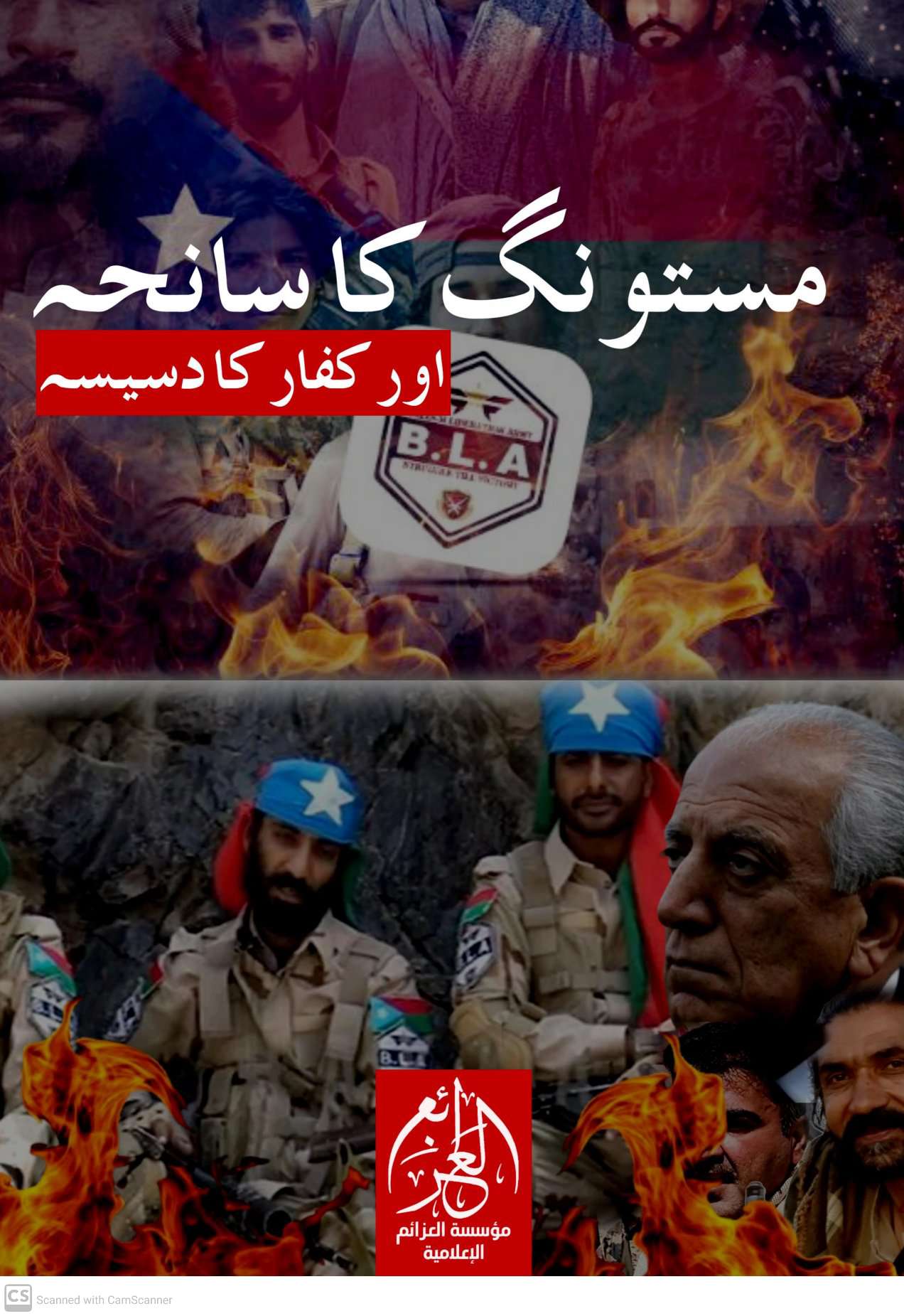
The Mastung Tragedy and the Conspiracy of the Disbelievers
-
 Writen byNot explicitly mentioned in the document (likely published anonymously or by an ideological group)
 - PublisherAl-Azaim Foundation (الـعزائم ادارہ), an Islamic media outlet known for militant and ideological content
- Year Not specified, but
Location of Incident Discussed: Mastung, Balochistan, Pakistan Ideological Alignment: Pro-ISIS (ISKP), Anti-Taliban, Anti-Pakistan State, Anti-Western Document Purpose: Propaganda and ideological reinforcement; rebuttal of accusations against ISKP and clarification of its actions and positions 📝 Executive Summary This document, titled "The Mastung Tragedy and the Conspiracy of the Disbelievers", is a 27-page ideological treatise produced by a pro-Islamic State media outlet. It responds to allegations surrounding a deadly blast in Mastung, Balochistan, in which members of the Baloch Liberation Organization were killed. The Islamic State Khorasan Province (ISKP) claimed responsibility, and this document seeks to justify the attack and discredit critics. The text accuses the Taliban and the Pakistani state of betraying Islam by supporting nationalist and secular factions and persecuting “true” Mujahideen. It criticizes blind followers who accept state or media narratives without verification and calls on believers to investigate facts through an “Islamic lens.” The authors present historical evidence and quotes from Pakistani leaders (e.g., Benazir Bhutto, Pervez Musharraf) to argue that the Taliban were created and supported by Pakistani intelligence. They denounce any suggestion that ISKP is working as an agent of Pakistan, asserting instead that ISKP stands alone against disbelievers and apostates, locally and globally. The document ends by warning Muslims not to fall into the traps of Western-backed organizations and urges support for the Islamic State's global jihadist movement. Relevance Dimension: This document represents the ideological narrative of ISIS-Khorasan (ISKP). It aims to justify violent actions using religious language and frames state institutions and rival Islamist groups as enemies. It includes: Clear articulation of extremist ideology Use of takfir (excommunication) and anti-state propaganda Construction of radical counter-narratives to delegitimize governments and moderate Islamic movements Alignment with GRACE Repository: Serves as a case study in extremist propaganda Helps identify the language, rhetoric, and logic used in radicalization Useful for developing counter-narratives and educational materials for de-radicalization